
Off The Beaten Track Self-Guided Fjord Hiking Tour
- Explore Norway’s most spectacular fjords
- Hike on your own in a different landscape every day
- Stay at charming small-scale hotels




Going on a road trip in Norway is an experience unlike any other. Behind every turn hides a completely different landscape for you to admire. But safety comes first.
With this guide, we’ll share our local knowledge to driving in Norway. From general tips, to navigating toll roads and electric cars.
We recommend renting a car to explore Norway to most because. Why? Driving gives you the freedom Norway is built for. It’s especially great if you want to explore fjords, small villages, trailheads and quiet backroads at your own pace.
Driving is ideal if you:
Consider public transport or a mix if you:
For a full overview of transport options, see Transportation in Norway.

But driving in a country you are not used to can be scary, and Norway is no different. With these tips, you can go on your Norwegian adventure prepared for (almost) anything and enjoy the sightseeing safely!
In Norway many roads are narrow and winding. For people used to cities and highways this is quite a change. It’s important to adjust your pace to this and keep much more to the right of the road than you are probably used to. Keeping right is extremely important, especially in summer time with a lot of campervans on the road.
Of course, you will spend some time waiting for ferries, but also take into account that you might stop for pictures! As you drive along the fjords, the views will be too irresistible to drive past. Take a break in one of the designated areas to enjoy it. Please do not stop at the side of the road, and be aware of other traffic.
The invention of Google Maps made all our lives a little easier. In most cases, they can calculate your travel time down to the minute. In Norway this is not the case. Google calculates your travel time by assuming the maximum speed speed allowed. To make the most of your trip, you will likely drive slower than this.
Add 25% to your driving time
If you have somewhere to be, please add 25% on top of how long Google Maps says it will take. This way you will make sure you will never miss your ferry, tour, or flight while travelling in Norway.
Don’t think about driving distance, use driving time (50 or 60 km per hour). Since there are hardly any highways in Norway, take your time and enjoy the winding roads and ever-changing scenery.
Many tourists visiting Norway for the first time ask us this question


M stands for møteplass, which means meeting point. You will see these signs on narrow roads where two cars normally cannot pass. When you meet another car, you can use the designated areas that are marked with the M. Drive into this area and stop while the other car can pass.
This sign means that the maximum speed that applied on the stretch you just drove has come to an end and you can drive up to the general maximum speed applicable.
In villages, towns, and cities, the speed limit is usually 50 kmph (30 mph), unless otherwise indicated. The speed limit in the Norwegian countryside is 80 km per hour (50 mph), except for the several highways around Oslo. The moment you are away from the cities, you will find yourself driving never-ending narrow roads with many bends, tunnels, ascends and descends. Driving on these roads takes some getting used to.
Better safe than sorry
The speed limit is there for a reason, be it oncoming cars, trees on the road, or even a literal deer in the headlights. Anything can happen. If you are not used to driving the Norwegian roads, you should drive a little slower than the speed limit. This way, you also get to enjoy the landscape and views more!
Besides, you probably want to avoid getting a ticket for driving too fast. In Norway, exceeding the speed limit by 5 kmph costs you 800 NOK (80 EUR or 90 USD), and 2100 NOK (210 EUR or 230 USD) for speeding between 6 and 10 kmph! When driving in Norway, it is better to be safe than sorry, for you, fellow road users, your (rental) car, and your wallet.

The Norwegian weather can be unpredictable and – at times unforgiving – at any time of year, but especially in the spring and fall. Of course this means you will have to drive even more carefully when you are in a storm.
Beware of:
In spring (even until the end of June) or early fall (end of September) you could experience snowfall higher up in the mountains and roads might be closed. In case of extreme weather, you might even get stranded in front of a road closure, or at the harbor of a ferry.
The travel designers at Norway Adventures always design the best private tours based on the season you are traveling in. Our staff is also available for advice in case of extreme weather, helping you plan your route.
Always check the weather forecast and road conditions before you leave.
Mind that the weather in Norway changes fast, and local differences in weather can be big. Read all our tips on the weather and climate in Norway.
You can take several measures to prevent getting stranded in the middle of a storm:

A whole book could be written about do’s and don’ts on the roads of Norway. To narrow it down, we have compiled a short list of some common rules and regulations, as well as some of our advice for driving in Norway:
Here’s a summary of important safety regulations to keep in mind when driving in Norway:
Driving in Norway in winter can be magical, and totally doable, as long as you plan with the season in mind.
Rental cars come with proper winter tires and roads are well maintained, but conditions change faster than many visitors expect.
A few winter realities to know:
Norway has a lot of toll roads, but don’t worry too much. The toll road system in Norway is simple for visitors.
You don’t need to do anything special: just drive through as normal.
Norway is one of the world’s best countries for EV road trips. Many rental agencies have electric cars ready to pick up. While charging is easy in most urban areas, please be aware of the culprits of renting an EV in Norway – especially when you plan to travel off the beaten track.
What to expect:
We don’t recommend renting an EV in the winter time, because of the colder temperatures and lack of charging options in rural winter areas.
Parking is usually straightforward, but there are a few Norway-specific quirks.
When in doubt, follow signs, ask for help or park where locals park. If you travel with us, we’ll make sure to give you all the information you need to avoid parking tickets.
Having a car gives you near unlimited freedom to explore Norway to the fullest. It is the only way to experience Norway off the beaten path.
Many trailheads to our favorite hiking trails are accessible by car, but not by public transport. Besides, public transport in Norway is partially based on the school bus system. This means that in the summer, the buses will not be going. With your car, you are free to stop when and where you want, take a break, enjoy the view, and take it all in. Please consider parking rules. It is not allowed to park on private land (which is most land in the countryside) in Norway without permission of the landowner.
Driving in Norway is an experience like no other! If you are still hesitant about arranging your own Norway road trip, have a look at one of our self-drive vacations. Or let us tailor a vacation specifically to your wishes! With our detailed road book, you won’t have to worry about calculating how long a drive will take, what time you need to leave, and what route you will take.
This blog post was last reviewed and updated on November 26, 2025.
Have a look at our recommended tours tied to this post.
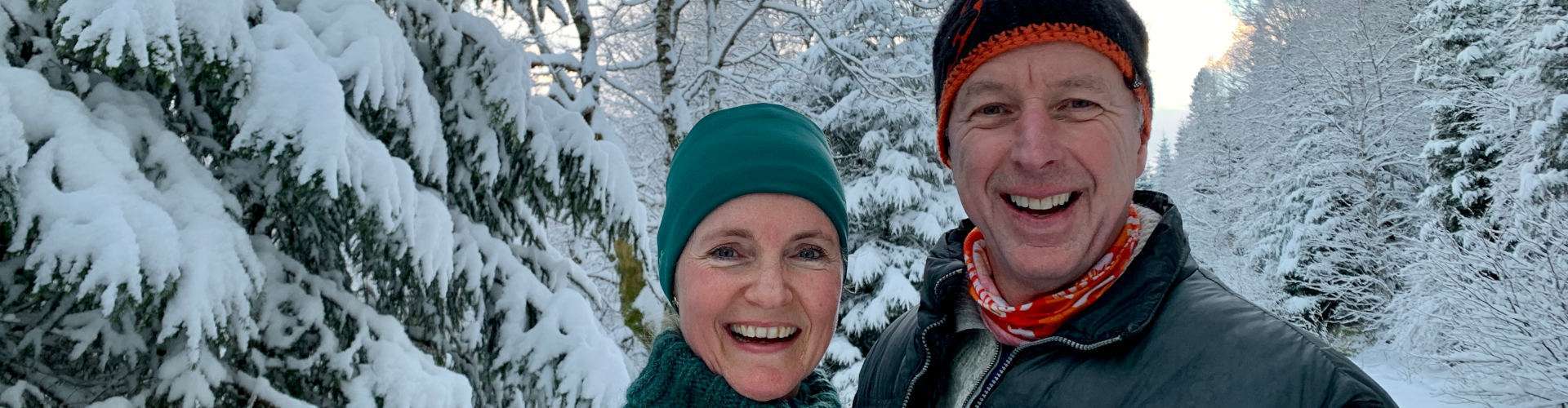
Anne moved from the Netherlands to Norway in 2000, together with her husband Rogier. The untouched nature, fresh air, and safe environment felt like coming home. She loves to go on soft adventures with Rogier and their three children, now young adults, exploring places all over Norway. Living in Norway as a foreigner gives her the opportunity to be a tourist here even after 23 years. She designs many different vacations, from family adventures to luxurious honeymoons.
"*" indicates required fields

Our goal is to immerse you in adventures in authentic Norway, away from the crowds. Hike and paddle through stunning nature, meet knowledgeable guides, learn about Norwegian culture and history, enjoy local cuisine and stay at unique small-scale hotels.
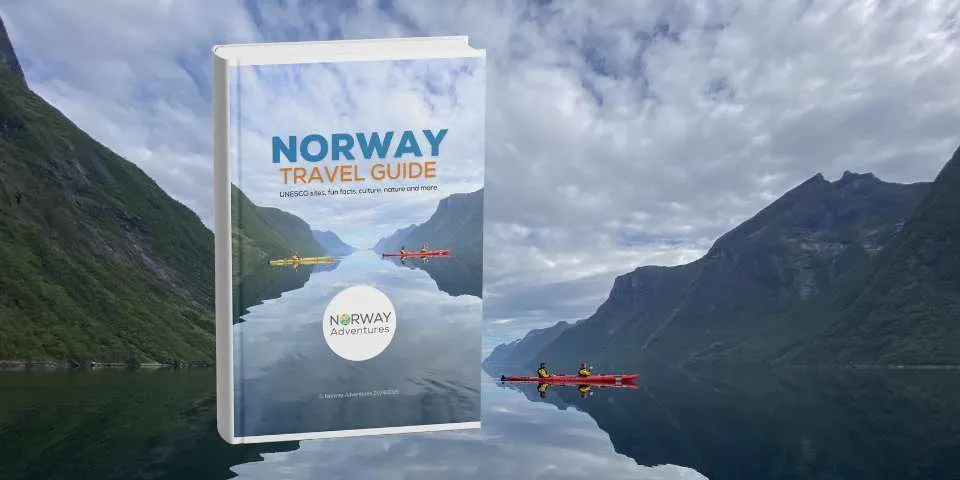
Get access to insider knowledge and tips for off the beaten track adventures in Norway. From the fjords to cultural insights and more.

Leave a Reply